About Physiotherapy table
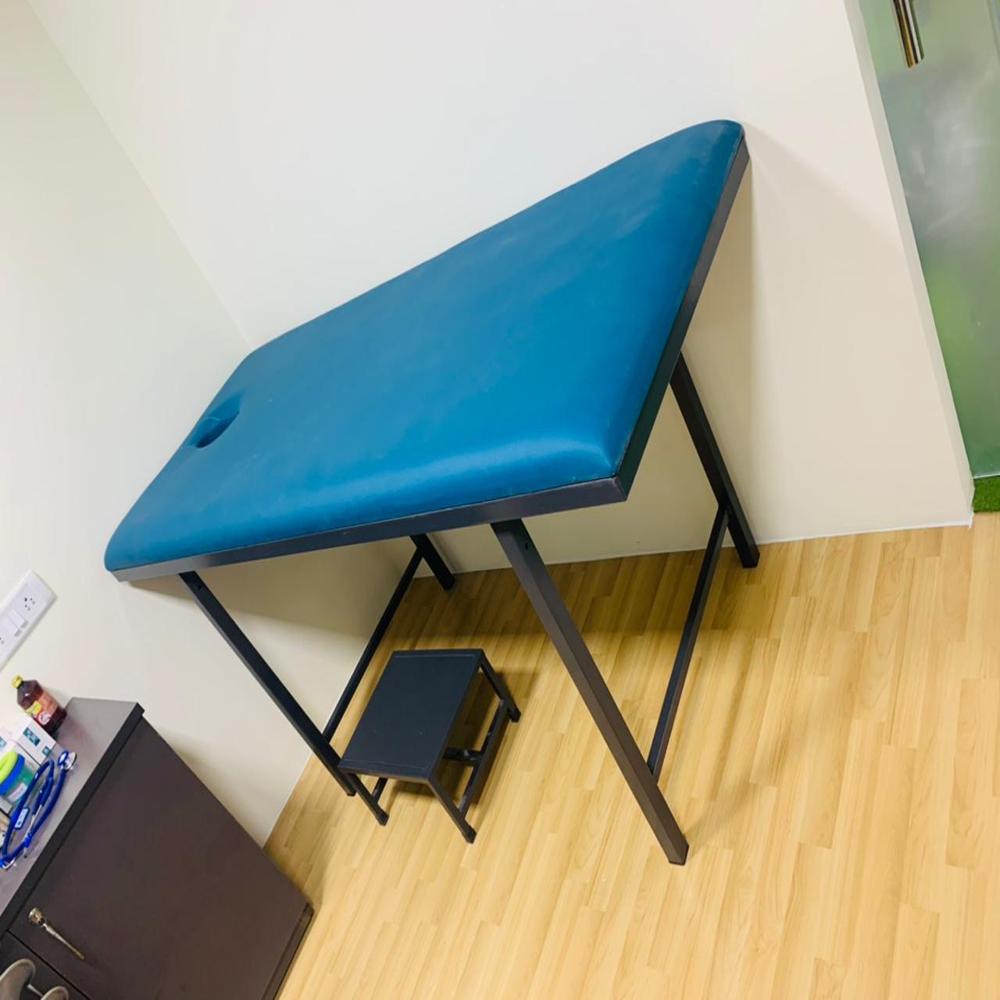
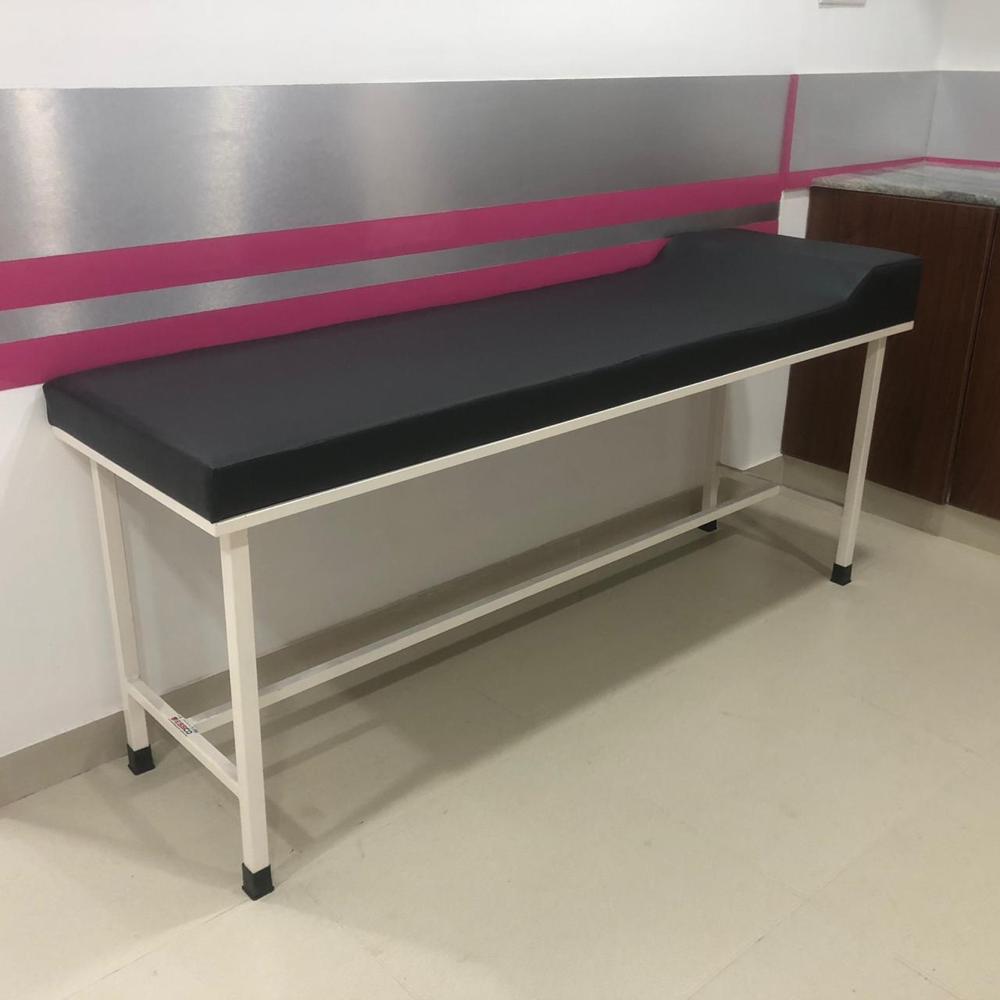
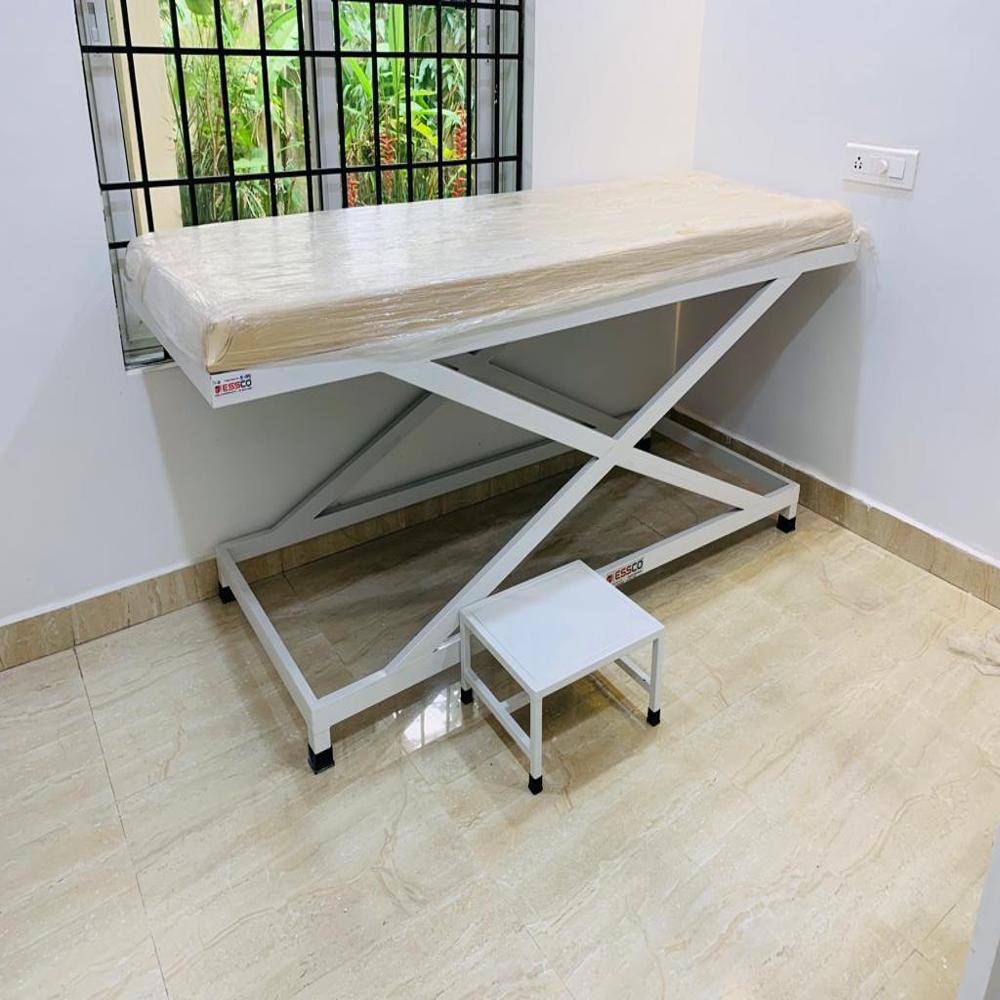
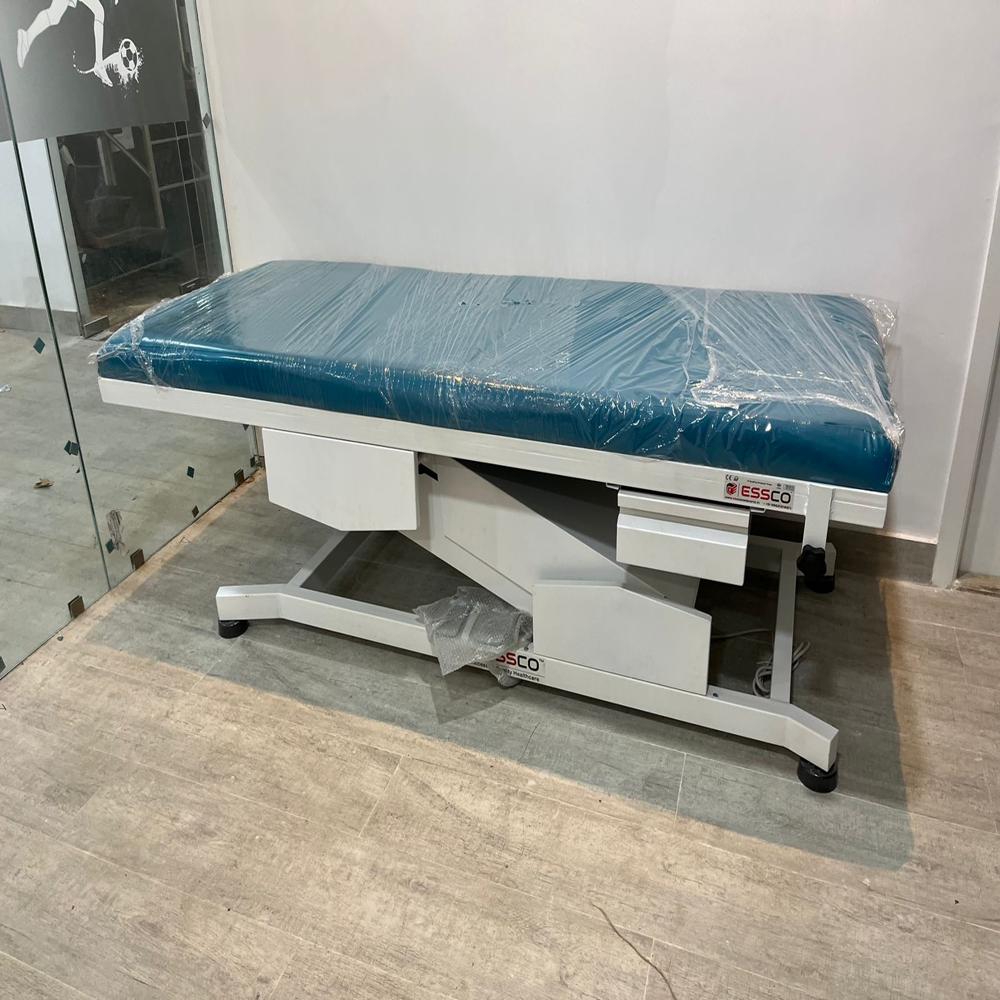
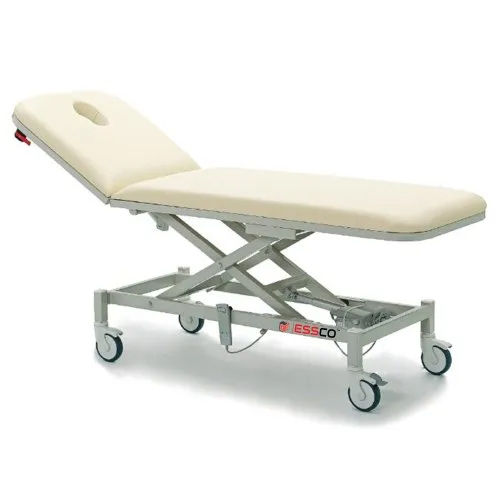
A physiotherapy plain table, also known as a physical therapy table or treatment table, is a specialized piece of furniture used in physiotherapy clinics and other healthcare settings. It provides a stable and comfortable surface for patients to receive various treatments and exercises. These tables are designed to support patients during different physical therapy procedures, such as massage, mobilization, manipulation, and rehabilitation exercises. Key Features and Characteristics:
-
Stable and Comfortable Surface:
The table offers a flat, sturdy, and padded surface to ensure patient comfort and support during treatments. -
Adjustable Height:
Many physiotherapy tables are height-adjustable (Hi-Lo tables) using electric or manual mechanisms, allowing for easy patient access and optimal therapist positioning. -
Durable Construction:
The tables are typically constructed with a strong frame, often made of steel, and a padded top covered in durable, easy-to-clean material (e.g., vinyl). -
Versatile Use:
They are designed to accommodate a range of physical therapy treatments, including massage, mobilization, exercises, and patient evaluations. -
Optional Features:
Some tables may include features like adjustable headrests, face cut-outs, or removable sections to further customize the table for specific treatments. -
Weight Capacity:
Physiotherapy tables are designed to support a significant weight, with some bariatric models accommodating patients up to 1,000 pounds. -
Portability:
Some tables are designed to be lightweight and portable for therapists who provide home visits or need to move equipment frequently. -
Accessibility:
Lower-height tables and those with easy-to-mount features are particularly beneficial for patients with limited mobility.
Durable Construction and Eco-Friendly DesignBuilt from mild steel, stainless steel, and iron, this physiotherapy table offers a strong foundation and longevity. It boasts eco-friendly materials, supporting sustainable healthcare practices. The water-resistant finishing keeps the table hygienic, minimizing maintenance and protecting against spills in medical settings.
Designed for Hospital Use with Optimal DimensionsWith a size of 642 mm in length and 550 mm in height, this table provides ergonomic comfort for both patient and therapist. Its non-folded, one-piece construction is suited for hospital environments, ensuring stability and reliable usage during intensive physiotherapy sessions.
FAQ's of Physiotherapy table:
Q: How should this physiotherapy table be maintained for long-term use?
A: Regularly clean the table with mild disinfectants to preserve its water-resistant finish and prevent corrosion. Avoid harsh chemicals to protect its surfaces. Its sturdy metal composition helps retain durability when maintained properly.
Q: What is the maximum patient weight this table can support safely?
A: The table is designed to withstand a patient load of up to 110 kilograms, making it suitable for a wide range of physiotherapy clients without compromising stability or safety.
Q: When is this hospital table most advantageous for clinical use?
A: This table is ideal during procedures that require steady, non-foldable support such as rehabilitation exercises and physical assessments, providing a reliable platform for both short and extended therapy sessions.
Q: Where is this physiotherapy table manufactured and supplied?
A: This table is manufactured in India and supplied by authorized manufacturers and suppliers to healthcare facilities in Zimbabwe.
Q: What process is used in manufacturing the table's metal components?
A: The manufacturing process involves shaping and finishing mild steel, iron, and stainless steel to achieve water resistance and durability. Quality control ensures each table meets clinical standards for safety and hygiene.
Q: How does the one-piece design benefit hospital operations?
A: The seamless, one-piece construction eliminates joints or movable parts, reducing the risk of mechanical failure and simplifying cleaning routines, which enhances patient safety and hospital efficiency.

 Send Inquiry



 Send Inquiry

 Send Inquiry


 English
 Spanish
 French
 German
 Italian
 Chinese (Simplified)
 Japanese
 Korean
 Arabic
 Portuguese